Unpredictable grid supply
Operations remain exposed to outages and voltage instability.
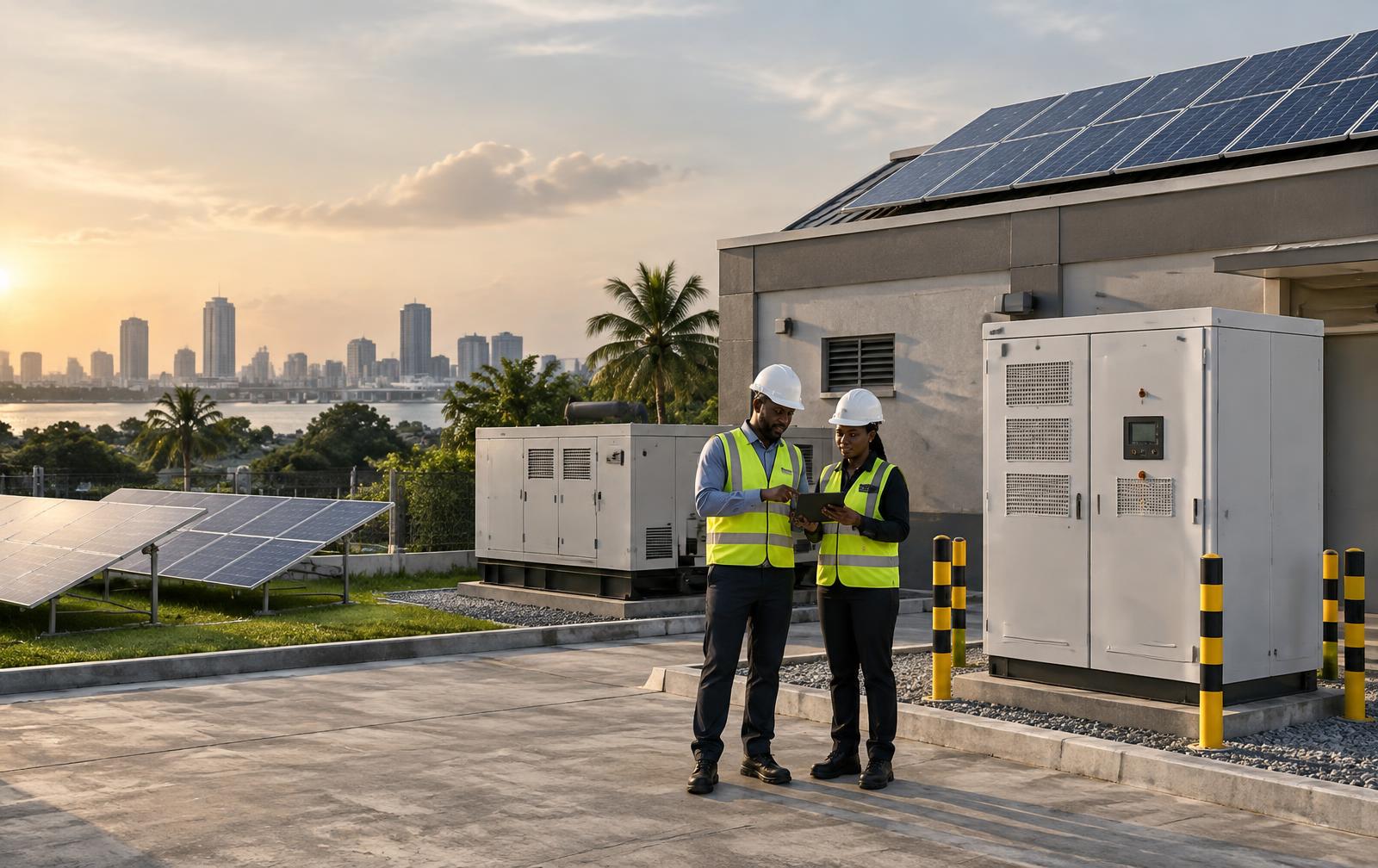
Prime Digital Tek helps commercial and industrial organisations assess, design and integrate solar PV, battery storage, grid supply and generators around real operational requirements.
Designed for Nigerian operating conditions. Built around your actual load, costs and resilience priorities.
For many Nigerian businesses, energy is no longer a routine utility expense. It is a combination of grid availability, tariff exposure, generator fuel, maintenance, production losses and operational risk. Installing solar equipment without understanding this complete picture can produce an undersized, oversized or poorly coordinated system.
Operations remain exposed to outages and voltage instability.
Fuel, servicing and generator replacement increase the true cost of electricity.
Even short interruptions can affect equipment, output, customers and revenue.
Electricity costs are often distributed across bills, fuel and maintenance budgets.
Existing systems may lack appropriate sizing, controls, storage or operational visibility.
Businesses need evidence before choosing solar-only, battery storage or a complete hybrid system.
Prime Energy Management sits between your generation, storage, grid supply and generators, and decides what runs your facility at any moment.
Actual operating logic depends on load profile, equipment specification, grid conditions, tariff structure and project objectives.
Serves live facility demand first.
Charges from available solar, supports priority loads.
Supplements demand when available.
Controlled backup when required.
Production, cooling, offices, critical circuits.
Assessed case by case under the applicable framework.
The correct solution is determined by your operating data, not by the largest equipment package available.
Solar output and facility demand rarely align. Where they diverge is where storage, grid supply or the generator has to work, and that is what the assessment measures.
Review electricity bills, tariff category, generator fuel, servicing and relevant maintenance costs.
Measure or analyse how power demand changes through the operating day, week and season.
Identify critical, essential and deferrable loads, including required duration and restart behaviour.
Evaluate roof or land area, irradiation, shading, structural or ground conditions and likely generation profile.
Determine whether storage is needed for backup, energy shifting, peak management or power quality support.
Compare solar only, solar plus storage and hybrid configurations on consistent technical and financial assumptions.
Review metering, interconnection, protection, export control and applicable regulatory or DisCo requirements.
Recommended configuration, indicative economics, principal risks and an implementation pathway.
We do not begin with equipment. We begin with the facility, the data and the business objective.

Five short steps. This is not a quotation tool. It gives our engineers enough to judge the opportunity and tell you what data we still need.
The depth of analysis and site activities will be agreed according to facility size, data availability and project complexity. Detailed engineering design is a separate scope, confirmed after the preliminary assessment.
Nigeria's evolving net billing framework may allow qualifying customers with approved renewable energy installations to receive value for eligible electricity exported through the distribution network. Practical eligibility depends on the applicable regulatory framework, distribution company, metering arrangement, interconnection approval, protection requirements and agreed commercial terms.
A sound C&I project should first be evaluated on self consumption, resilience and operational value. Potential export credit should be treated as an additional assessed benefit, not the sole basis of the investment case.
Regulatory and distribution company requirements may change. Prime Digital Tek will verify the requirements applicable to each proposed project. Information on this page does not constitute regulatory, legal or financial advice.
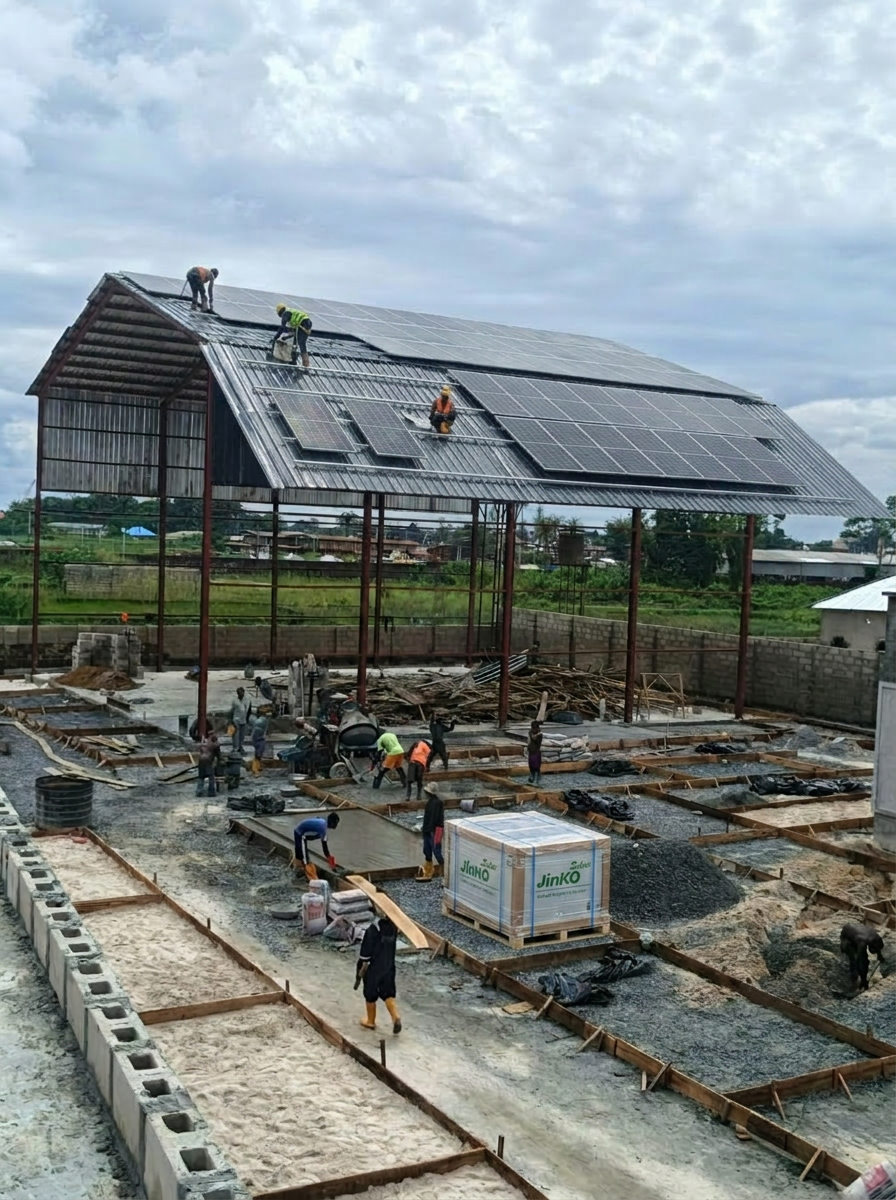
Process continuity and motor loads

Critical systems and essential circuits
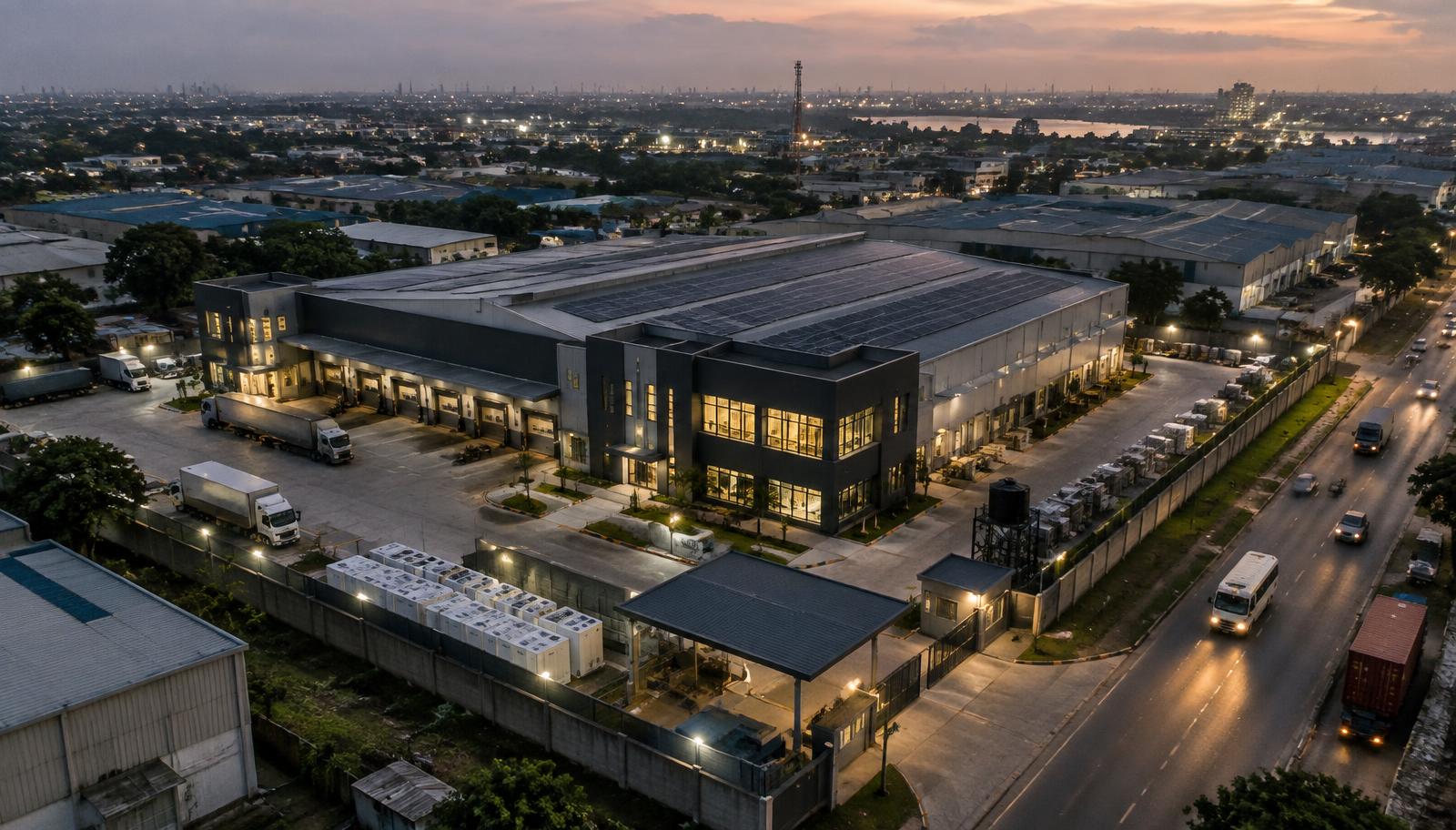
Extended operating hours and guest comfort

Campus loads, laboratories and ICT
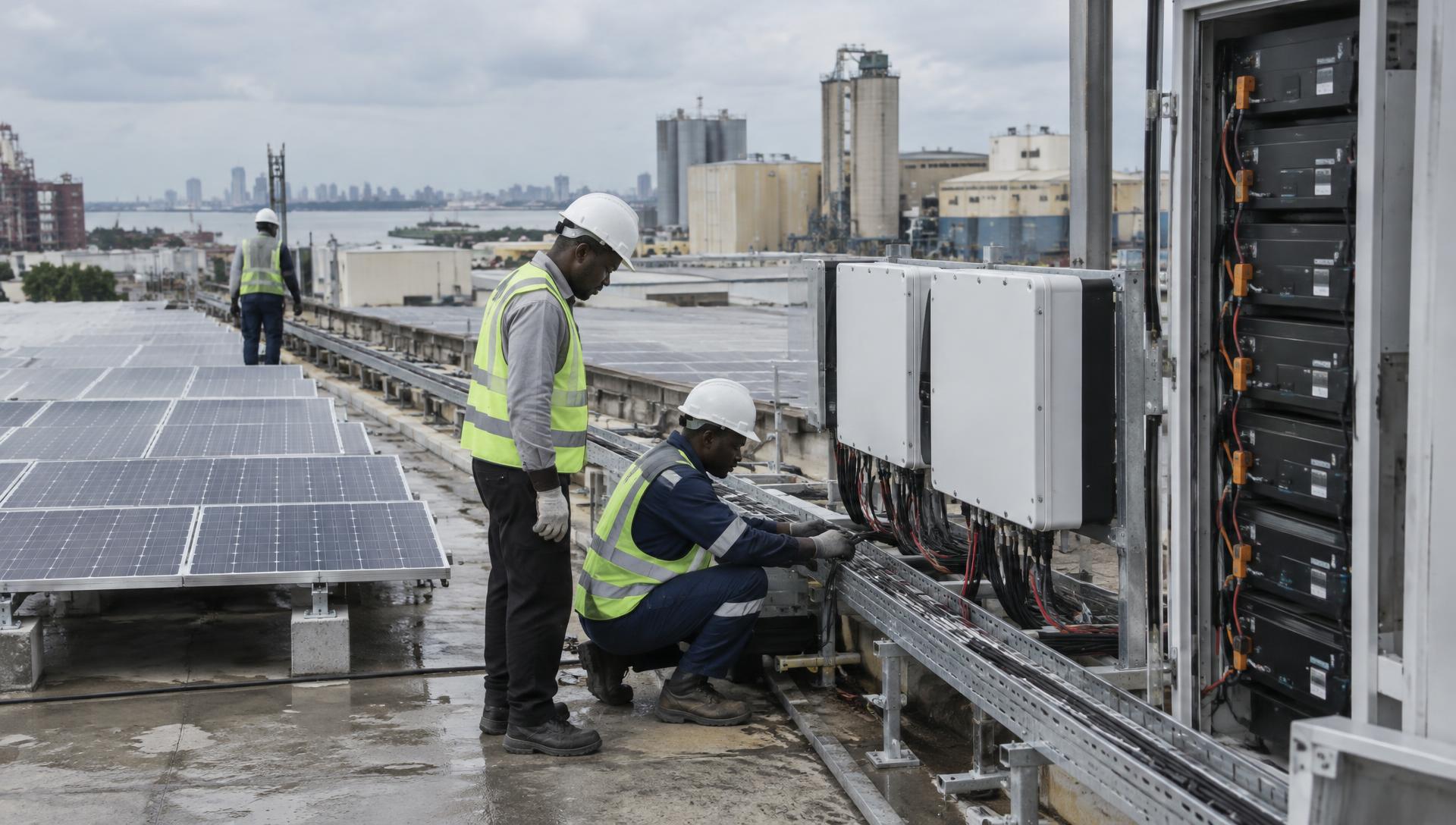
Warehouse operations and cold chain continuity
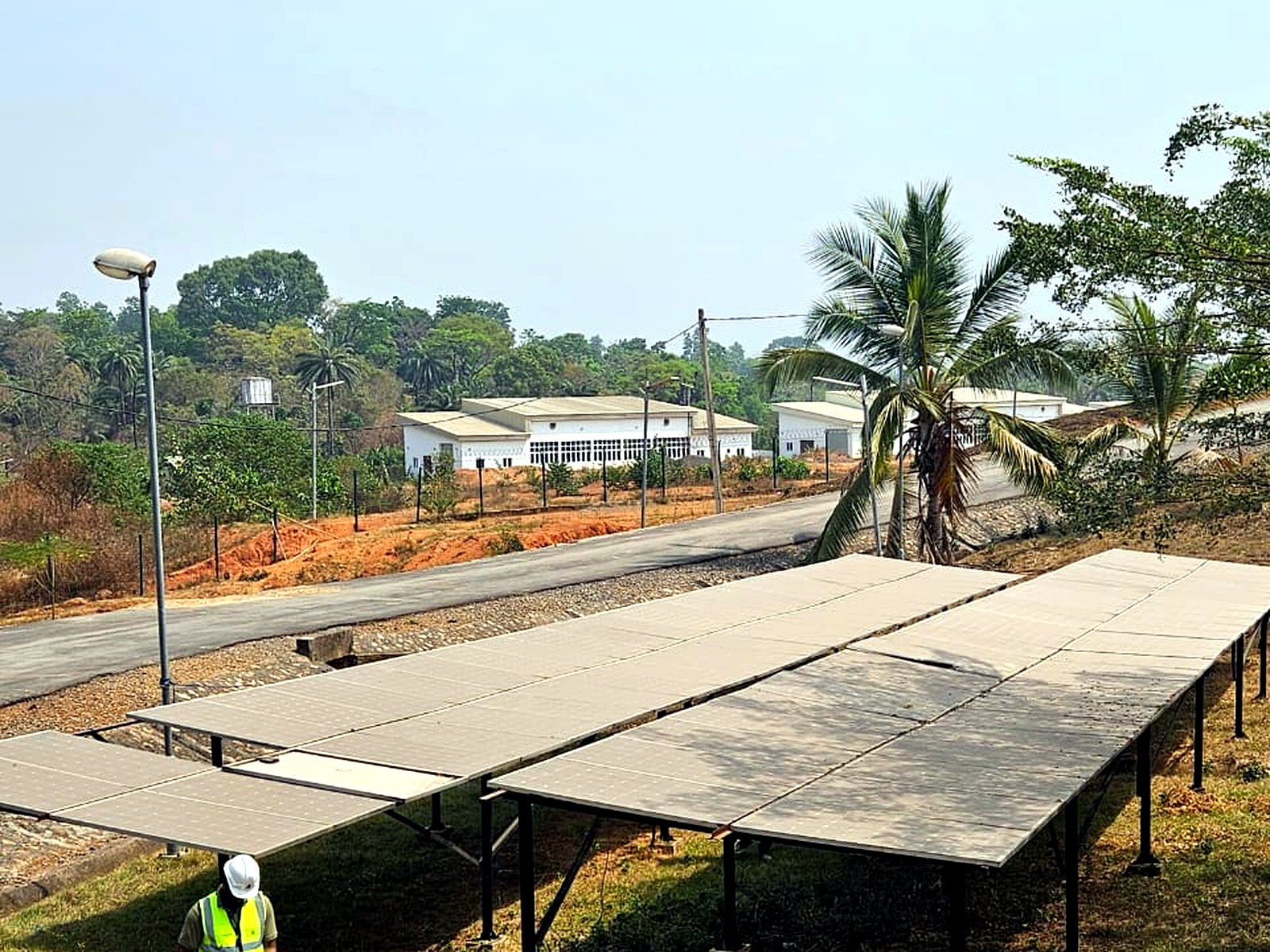
Refrigeration and production loads

Common area systems and tenant demand
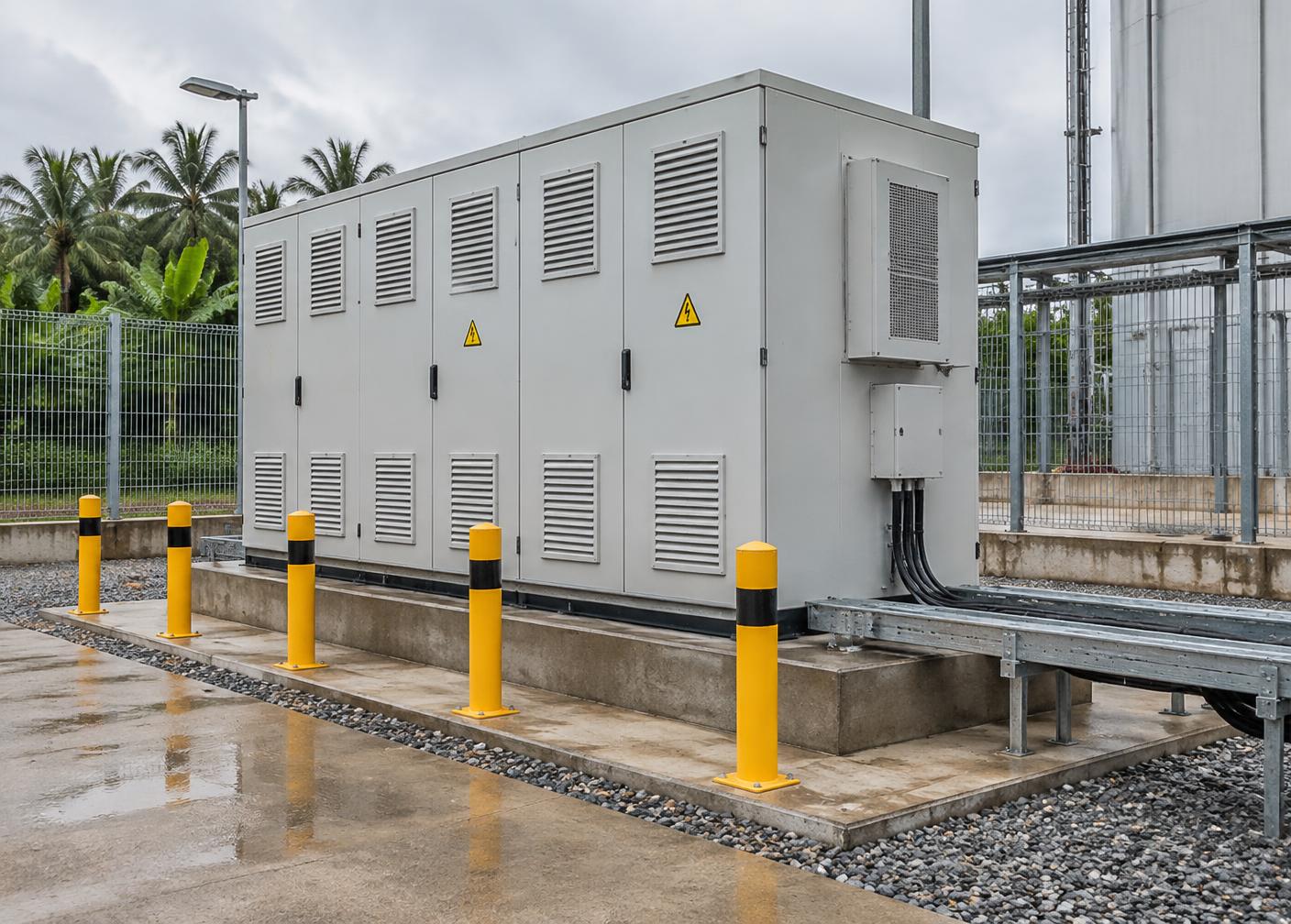
Aggregated load and infrastructure planning
Irrigation, processing, refrigeration and remote supply
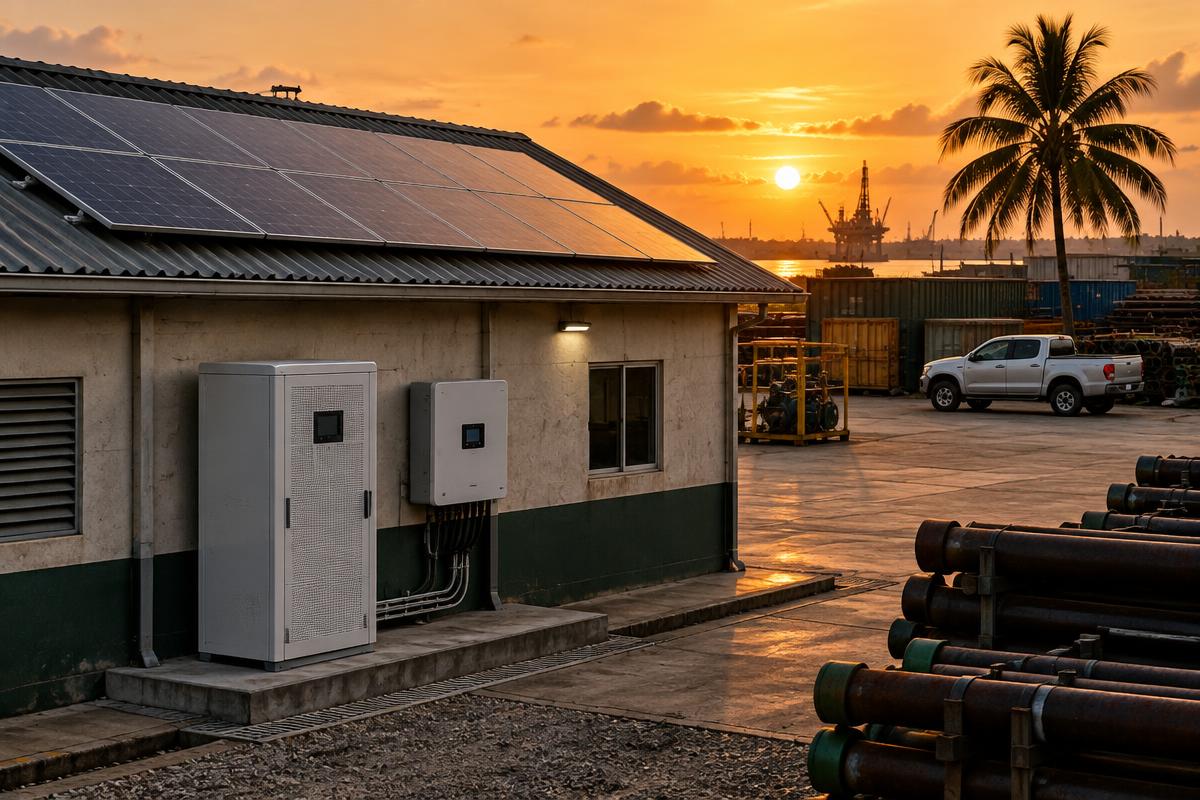
Workshops, yards, offices and critical equipment
Images are representative of the operating environments we work in and are not attributed to named customers.
Prime Digital Tek combines energy engineering, digital systems and project delivery capabilities to help organisations move from fragmented power sources to a coordinated energy architecture.
Understand energy costs, loads, constraints and business priorities.
Develop an appropriate solar, storage and hybrid system architecture.
Support equipment procurement, engineering, installation and commissioning.
Use monitoring, controls and operational data to improve ongoing system performance.
Request a structured assessment of your facility's energy costs, operating risks and appropriate solar, battery or hybrid power options.
No generic system sizing. No unsupported savings promises. Recommendations are based on available facility data and agreed engineering assumptions.
Net billing, metering and embedded generation requirements in Nigeria are set by the Nigerian Electricity Regulatory Commission and applied by each distribution company. Requirements differ by DisCo and change over time, so we verify the rules applicable to each project during the assessment rather than publishing a single national position here.
Figures used on this page are labelled as illustrative examples or engineering assumptions. No verified customer data, project outcome or savings figure is presented on this page.
A structured review of how your facility uses and pays for energy: tariff and diesel spend, load profile, roof or ground area available, generator behaviour and grid quality. The output is a view of what solar, battery storage and hybrid control could realistically change.